Tips for Maintaining Oral Health with Diabetes

Living with diabetes requires careful management of your health, including your oral health. Poor oral hygiene can lead to complications, especially for those with diabetes.

This article provides tips for maintaining oral health with diabetes. It covers daily oral hygiene practices, the importance of regular dental check-ups, and how to manage diabetes-related oral issues.

Understanding the Link Between Diabetes and Oral Health

Diabetes can increase the risk of oral health issues. This includes gum disease, dry mouth, and infections.

High blood sugar affects oral health, leading to poor wound healing in the mouth. It is crucial to manage blood sugar levels.

Individuals with diabetes may face more frequent dental problems. Understanding this link helps in prevention. Good oral hygiene is essential for those managing diabetes.

silver and white cross pendant necklace

Photo by Diabetesmagazijn.nl (https://unsplash.com/@diabetesmagazijn)

Daily Oral Hygiene Practices for Diabetics

Maintaining oral hygiene with diabetes requires a consistent routine. Daily practices can help prevent dental issues. Tailor your oral care routine to your needs.

Here are some effective practices to consider:

  • Use a medium-bristled toothbrush.
  • Brush your teeth twice daily.
  • Floss daily to remove plaque.
  • Use an antiseptic mouthwash.

Regular oral care can make a significant difference. It helps keep gums and teeth healthy. Always focus on thorough brushing and flossing.

Choose dental products suitable for diabetics. Consult your dentist for recommendations. Maintain a commitment to your daily routine.

The Importance of Regular Dental Check-Ups

Regular dental visits are crucial for people with diabetes. Dentists can catch problems early. Early detection helps prevent complications.

Dental check-ups should be more frequent for diabetics. They can receive professional cleanings and advice. This contributes significantly to oral health maintenance.

It’s important to share your diabetes status with your dentist. Open communication ensures tailored dental care. Prioritize these visits as a part of your diabetes management.

Diet, Smoking, and Oral Health in Diabetics

A healthy diet plays a vital role in maintaining oral health. Eating a balanced diet helps control blood sugar levels. It also prevents dental issues.

Smoking can worsen oral health problems in diabetics. It increases the risk of gum disease. Quitting smoking can greatly improve dental health.

It’s essential to focus on nutrient-rich foods. Limit sugary snacks to protect your teeth. Diet and lifestyle changes can make a big difference.

Managing Dry Mouth and Other Diabetes-Related Oral Issues

Dry mouth is a common issue for diabetics. It can lead to cavities and gum problems. Staying hydrated helps combat dry mouth.

Using saliva substitutes or sugar-free gum can also provide relief. These options help maintain moisture in the mouth.

Address oral issues promptly to avoid complications. Regular dental check-ups can catch problems early. Effective management can prevent severe dental issues.

Recognizing and Treating Gum Disease Early

Gum disease is a serious risk for those with diabetes. Early signs include redness, swelling, and bleeding. Catching these symptoms early can prevent further damage.

Regular oral exams help identify gum issues quickly. Your dentist can provide guidance on treatment options. Prompt treatment can prevent severe complications and tooth loss.

Maintain a diligent oral hygiene routine. This can help keep gum disease at bay. Regular brushing and flossing play crucial roles in maintaining healthy gums.

Conclusion: Embracing Comprehensive Care for Diabetes and Oral Health

Managing diabetes goes hand-in-hand with maintaining oral health. Consistent care is key to preventing dental issues. Embrace a routine that includes proper oral hygiene and regular dental visits.

Awareness and proactive steps make a difference. Keep track of any changes in your oral health. Early intervention can mitigate potential complications.

Your health care team is a valuable resource. Share your diabetes status with dental professionals. This collaboration ensures a tailored approach to your oral health needs. To book your check up or oral hygiene visit get in touch with us today.

Understanding the Need for Wisdom Teeth Removal

Wisdom teeth, or third molars, are often a topic of concern for many. They typically emerge in late adolescence or early adulthood, sometimes causing discomfort or even severe pain.

However, not everyone will experience problems with their wisdom teeth. Some may not even have them at all. But for those who do, understanding the need for wisdom teeth removal is crucial.

This guide aims to shed light on why wisdom teeth removal is sometimes necessary. It will address common concerns, symptoms to watch out for, the removal procedure, recovery, and cost considerations.

Whether you’re experiencing wisdom teeth issues, anticipating their growth, or simply interested in dental health, this guide is for you.

man wearing black crew-neck top

Photo by Adrian Swancar (https://unsplash.com/@a_d_s_w)

When and Why Wisdom Teeth Removal is Necessary

Wisdom teeth removal becomes necessary when they cause complications or pain. Not enough space in the mouth can lead to impacted wisdom teeth. This condition may result in swelling, infection, or damage to neighboring teeth.

In some cases, wisdom teeth grow sideways, leading to significant issues. Removing them can prevent problems like cysts, tumors, or gum disease. The decision to extract wisdom teeth should always be made after a comprehensive examination by a dental professional.

Recognizing the Symptoms of Problematic Wisdom Teeth

Identifying problematic wisdom teeth early can prevent severe dental issues. Common symptoms include persistent pain and swelling around the gums. You might also find it difficult to open your mouth fully or experience an unpleasant taste due to infection.

Additionally, pericoronitis, an inflammation often caused by trapped food and bacteria, can develop. This condition frequently leads to discomfort and requires attention. If you notice these symptoms, consult with your dentist to determine the best course of action.

The Risks of Impacted Wisdom Teeth

Impacted wisdom teeth can pose significant risks to your oral health. When they lack the space to emerge, they might push against other teeth. This pressure can damage adjacent teeth and lead to alignment issues.

Moreover, impacted teeth are prone to infections, like pericoronitis, which arise from trapped debris. Such infections can cause persistent pain and swelling. Early intervention by a dental professional can help mitigate these risks and maintain dental health.

Wisdom Teeth Removal Procedure: What to Expect

The removal of wisdom teeth is generally a straightforward procedure performed by dentists or oral surgeons. Local anesthesia, sedation, or general anesthesia ensures the process remains as painless as possible.

During the procedure, the dentist makes a small incision in the gum to access the tooth. In some cases, removing a bit of bone may be necessary. The tooth is then extracted carefully, minimizing stress to the surrounding area.

Recovery and Aftercare Post-Extraction

Recovery from wisdom teeth removal is usually quick, with most people feeling better within a week. It’s essential to follow your dentist’s advice for a smooth recovery.

After the procedure, sticking to a soft diet and avoiding strenuous activities is crucial. Keep the area clean and follow any additional care instructions provided by your dental professional to prevent complications.

Cost and Insurance Considerations in the UK

The cost of wisdom teeth removal in the UK can vary widely. Prices range from a few hundred to over a thousand pounds. Factors like complexity and sedation use can influence the total expense.

The NHS may cover the cost if removal is medically necessary. It’s wise to check your dental insurance policy, as it may cover part or all of the procedure. Understanding your financial options can alleviate some stress associated with the decision.

To Remove or Not to Remove: Current Expert Perspectives

The decision to remove wisdom teeth isn’t always straightforward. Some experts suggest removal only if there’s a problem.

Routine extractions might not be necessary for everyone. Healthy, fully erupted wisdom teeth can often stay. A thorough dental evaluation can help determine the best course of action for each individual.

Conclusion

Understanding the need for wisdom teeth removal is crucial for making informed decisions about oral health. While not everyone will face issues, staying informed can prevent future complications.

Consulting with a dental professional can offer personalized advice. Regular check-ups ensure any potential problems are addressed early. Book yours today

Understanding Medication’s Effects on Your Mouth

Medications are a crucial part of managing health conditions. They can alleviate symptoms, cure diseases, and improve quality of life.

However, they can also have side effects. One area often overlooked is the impact of medication on oral health.

From dry mouth to gum inflammation, medications can cause a variety of oral health issues. Understanding these effects is key to maintaining a healthy mouth while on medication.

This article will explore how different medications can affect your oral health and provide tips on how to mitigate these effects. Stay informed and protect your oral health.

white blue and orange medication pill

Photo by Myriam Zilles (https://unsplash.com/@myriamzilles)

The Role of Medication in Oral Health

Many medications are known to impact oral health, often in unexpected ways. It’s important to recognize how drugs can affect your mouth.

Certain medications can alter the environment of the mouth. This can lead to decreased saliva production and other side effects.

Saliva plays a significant role in maintaining oral health. It helps wash away food particles and neutralize acids.

When medications interfere with saliva production, the risk of dental issues increases. Staying aware of these potential effects is crucial.

Common Oral Side Effects of Medications

Medications can cause several common oral side effects. Each can significantly alter your oral health.

Dry Mouth

Dry mouth is the most frequent side effect encountered. It often results from antihistamines, decongestants, or antidepressants.

Gum Tissue Changes

Some medications can lead to changes in gum tissues. These changes can range from overgrowth to inflammation.

Oral Mucositis and Ulcers

Chemotherapy drugs often cause oral mucositis. Painful ulcers and inflammation can arise in severe cases.

Abnormal Bleeding

Blood-thinning medications pose a risk of abnormal bleeding. This risk is especially notable during dental procedures.

Altered Taste and Oral Thrush

Certain antibiotics or antifungals can alter taste perception. They can also contribute to oral thrush, a yeast infection.

Medications Known to Affect Oral Health

Various medications can impact your oral health in unforeseen ways. Understanding these can help manage potential problems.

Over-the-counter drugs, including pain relievers and antihistamines, often reduce saliva flow. This reduction increases the risk of tooth decay.

Blood pressure drugs, particularly calcium channel blockers, can cause gum overgrowth. This condition may require dental intervention.

Certain oral contraceptives and immunosuppressants also impact gum health. They can lead to inflammation or increased bleeding.

Mitigating the Oral Side Effects of Medication

Tackling oral side effects of medications starts with simple strategies. Hydration is key to counteracting dry mouth. Drink plenty of water throughout the day to stay hydrated.

Maintaining good oral hygiene is crucial. Brushing with fluoride toothpaste and flossing daily can prevent cavities and gum disease. It helps in combating medication-induced oral problems.

Regular dental check-ups are essential. Dentists can monitor oral health changes and provide personalized advice. They can also recommend treatments like saliva substitutes for dry mouth.

Discussing all medications with healthcare providers is important. Your dentist should know about all prescriptions, over-the-counter drugs, and supplements. This can guide better oral health management.

  • Hydration and Saliva Stimulation
  • Good Oral Hygiene Practices
  • Regular Dental Check-Ups
  • Discussing Medications with Healthcare Providers

Conclusion: Proactive Oral Health Management

Understanding how medication affects your mouth is essential for maintaining good oral health. Being informed allows you to tackle issues early and effectively. Awareness helps in minimizing complications before they escalate.

Proactive steps are key in managing drug side effects related to oral health. Adopt a regimen of good oral hygiene, regular dental visits, and informed communication with healthcare providers. These actions support optimal oral care.

Ultimately, maintaining open communication with your healthcare team is vital. Discuss potential side effects and solutions by booking an appointment today. Collaboration ensures the best approach to managing your oral health while on medication.

What is Invisalign – Is it Right for you?

Invisalign has revolutionised the world of orthodontics. It offers a discreet and comfortable alternative to traditional metal braces.

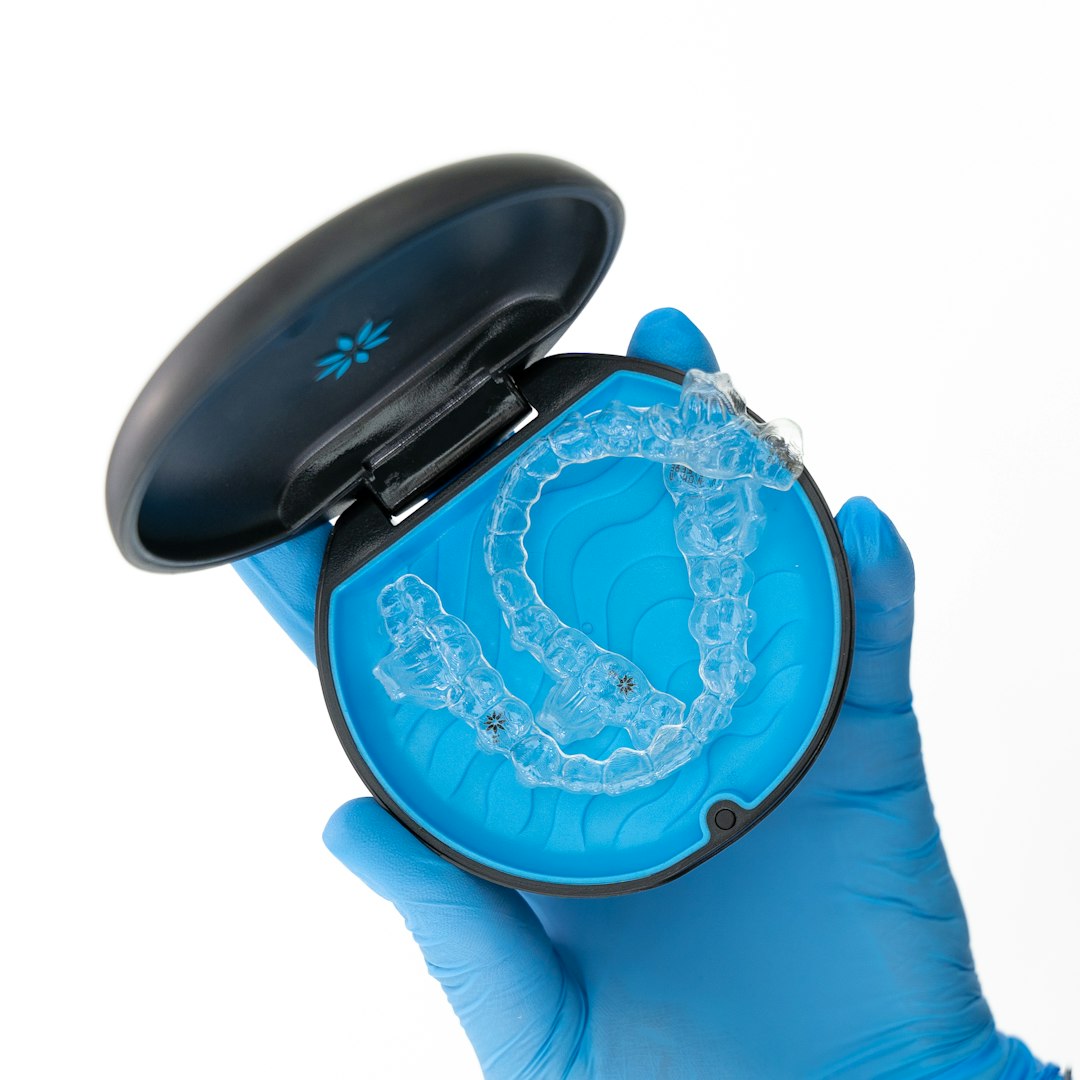
a person in blue gloves holding a plastic object

Photo by Katarzyna Zygnerska (https://unsplash.com/@katasha)

But what exactly is Invisalign? It’s a brand of clear aligners used for teeth straightening and bite correction. These aligners are virtually invisible, making them a popular choice for adults and teens alike.

The treatment involves wearing a series of custom-made aligners. Each aligner is worn for one or two weeks before moving on to the next in the series. This gradual shift results in a straighter smile over time.

Invisalign can correct a wide range of dental issues. From overbites to crowding, it’s a versatile solution for many orthodontic problems.

In this guide, we’ll delve deeper into what Invisalign is, how it works, and its benefits. We’ll also address common questions about its effectiveness and cost. Whether you’re considering Invisalign for yourself or exploring options for a loved one, this guide is for you.

Understanding Invisalign and Its Technology

Invisalign uses cutting-edge technology to plan and execute orthodontic treatments. The process begins with a digital scan of your teeth, eliminating the need for messy dental impressions.

Align Technology, the company behind Invisalign, has perfected the use of 3D imaging for treatment planning. This advanced approach allows orthodontists to map out the path to a straighter smile.

Invisalign aligners are crafted from a thermoplastic material designed for comfort. They provide a snug fit and are almost invisible, appealing to those seeking a subtle solution.

What sets Invisalign apart is its SmartTrack material, developed for optimal tooth movement. This ensures effective treatment and a comfortable wearing experience.

With this technology, patients can view their virtual treatment plan. They can see how their teeth will move and what the final outcome will look like, even before starting the treatment.

The Invisalign Treatment Process

The journey to a straighter smile with Invisalign involves several essential steps. Each phase is customized to suit individual dental needs.

It starts with an initial consultation. Your orthodontist will assess your teeth and discuss potential treatment options.

Following assessment, custom aligners are created using precise 3D imaging technology. This ensures a perfect fit for effective teeth movement.

Wearing the aligners is crucial to the success of the treatment. Patients need to wear them daily, for most of the day.

Throughout treatment, your progress is monitored. This may lead to slight adjustments, ensuring everything proceeds as planned.

Here’s a quick look at the process:

  • Initial consultation and assessment
  • Custom aligners creation through 3D imaging
  • Daily wear of aligners
  • Regular progress monitoring and adjustments
  • Completing treatment and maintenance with aftercare

Initial Consultation and Assessment

The first step involves a consultation with an Invisalign provider. During this session, they will examine your teeth and evaluate your bite.

They will discuss your goals and answer any questions you may have. This meeting is the foundation for creating a customized treatment plan to meet your specific needs.

Custom Aligners and 3D Imaging

Once a plan is in place, custom aligners are made using sophisticated 3D imaging technology. This tech ensures each aligner is a perfect fit for your teeth.

The aligners work by gradually moving your teeth into their desired positions. The use of advanced imaging means a precise and effective treatment.

Wearing Your Aligners

To achieve the best results, it’s vital to wear your aligners as instructed. Typically, aligners should be worn for 20 to 22 hours each day.

This includes overnight, and should only be removed for meals and oral hygiene activities. Consistent use is key to effective teeth straightening.

Progress Monitoring and Adjustments

Regular check-ins with your orthodontist help monitor your progress. These visits allow for adjustments to your aligner plan if necessary.

As teeth move, new aligners may be introduced to continue guiding teeth to their desired positions. This ensures treatment stays on track.

Completing the Treatment and Aftercare

Once your teeth are in their final positions, it’s crucial to maintain them. Often, retainers are recommended to keep your new smile intact.

Aftercare is important to ensure lasting results. Regular dental check-ups and following your orthodontist’s advice will help maintain your perfect smile.

Can Invisalign Fix an Overbite?

One common dental concern is an overbite, where the upper teeth overlap the lower teeth. Invisalign can indeed address this issue effectively.

The aligners work by gradually moving the upper teeth back and the lower teeth forward. This adjustment helps correct the bite and align the teeth properly.

However, the effectiveness of Invisalign in fixing an overbite depends on its severity. More complex cases might require additional orthodontic interventions. Consult with an orthodontist to determine if Invisalign is suitable for your specific condition.

The Benefits of Choosing Invisalign

Invisalign offers many advantages compared to traditional braces. One key benefit is its discrete nature. The clear aligners are nearly invisible, making them an attractive choice for those conscious about appearance.

Comfort is another significant factor. Invisalign aligners are made from smooth plastic, minimizing irritation in the mouth. This design offers a more pleasant experience compared to metal brackets and wires.

Maintaining oral hygiene is simpler with Invisalign. The aligners are removable, allowing for easy brushing and flossing. This feature helps maintain better oral health throughout the treatment.

Treatment times with Invisalign can be shorter than traditional methods. The custom treatment plan is tailored to efficiently reach desired results. This focused approach often results in quicker teeth straightening.

Invisalign is effective for various dental issues, including overbites, gaps, and crowding. This flexibility makes it suitable for many orthodontic cases.

Aesthetics: Virtually Invisible Braces

Invisalign aligners are clear, making them hard to notice. This transparency is a major advantage for those who prefer subtle orthodontic treatment.

Many patients choose Invisalign for its aesthetic appeal. They can straighten their teeth without the look of metal braces.

Comfort and Convenience

The smooth material used for Invisalign reduces discomfort. Unlike metal braces, there are no sharp edges to irritate your mouth.

Invisalign also offers convenience. You can remove the aligners when eating, allowing you to enjoy your favorite foods without restrictions.

Oral Hygiene and Health

With Invisalign, keeping teeth clean is straightforward. Removing the aligners makes brushing and flossing easy, promoting better oral health.

Improved hygiene can lead to fewer dental issues during and after treatment. This feature is especially beneficial for those with busy lifestyles.

Treatment Duration and Effectiveness

Invisalign often results in faster treatment times. Each set of aligners is designed to move teeth gradually, leading to efficient results.

Effectiveness is not compromised with Invisalign. It remains a reliable choice for teeth correction, offering precise alignment.

Invisalign Options: Lite, Express, Teen, Go, Go Plus, Comprehensive

Invisalign offers various options tailored to different needs. These choices provide more personalized orthodontic solutions.

Invisalign Lite

Invisalign Lite is crafted for cases requiring minor adjustments. It is ideal for less complex issues. The treatment time is typically shorter, appealing to those seeking quicker results.

Invisalign Express

For very subtle corrections, Invisalign Express is a suitable option. This plan is designed for minor teeth adjustments. It’s perfect for those needing quick, minor touch-ups.

Invisalign Teen

Invisalign Teen caters specifically to younger patients. It includes features like compliance indicators to ensure proper aligner wear. This helps parents and teens track usage effectively.

Invisalign Go

Invisalign Go is designed for patients with mild to moderate orthodontic issues. It focuses on providing a quick and effective treatment plan, making it ideal for those who want to achieve results in a shorter timeframe. This option is particularly suitable for adults looking for a discreet way to enhance their smile without extensive treatment.

Invisalign Go Plus

Invisalign Go Plus is an advanced version of the Go option, catering to patients with slightly more complex cases. It allows for more precise tooth movements and can address a wider range of dental concerns. This option is perfect for individuals who want a balance between speed and effectiveness in their orthodontic treatment.

Invisalign Comprehensive

Invisalign Comprehensive is the most extensive treatment option available. It is designed for patients with significant orthodontic needs, including severe crowding, spacing, and bite issues. This option provides a complete treatment plan, ensuring that all aspects of the patient’s dental alignment are addressed. It is ideal for those seeking a thorough and long-term solution to their orthodontic concerns.

Each Invisalign option is designed to address specific dental needs. These specialized choices demonstrate the flexibility of the system.

Invisalign offers various options tailored to different needs. These choices provide more personalized orthodontic solutions.

Cost Considerations for Invisalign Treatment

The cost of Invisalign can vary, depending on several factors. These include the complexity of the case and the duration of treatment. Compared to traditional braces, Invisalign can be a cost-effective option.

Many find that the benefits of discreet treatment justify the investment. It’s essential to consider both the financial and personal value. Consulting an orthodontist can help clarify the full scope of costs involved.

Exploring inexpensive Invisalign options may help ease financial concerns. Some providers offer flexible payment plans to make treatment more accessible.

Comparing Costs with Traditional Braces

Invisalign and traditional braces often fall within a similar price range. However, Invisalign offers unique benefits like invisibility and comfort. This can make it more appealing despite comparable costs.

Traditional braces may require more frequent visits for adjustments. This can add up in terms of time and money spent on appointments.

Insurance and Payment Plans

Many dental insurance plans cover Invisalign, just like regular braces. It’s advisable to check with your provider for specific coverage details. This can significantly offset the overall cost.

Flexible payment plans are also available through many Invisalign providers. These options make it easier to manage the treatment expenses over time.

Finding Invisalign Providers Near You

Consultations are crucial for determining if Invisalign suits your dental needs. Schedule your free appointment to discuss options and get expert advice.

Conclusion: Is Invisalign Right for You?

Invisalign offers a discreet and flexible method to achieve the smile you’ve always wanted. It suits many dental issues and integrates seamlessly into daily life.

Consult with an orthodontist to determine the best path for your specific needs. Invisalign might be the solution you’ve been seeking for a confident smile.

How to Prepare your Child for the Dentist

Visiting the dentist can be a daunting experience for a child. The unfamiliar environment, strange tools, and new faces can be overwhelming.

As a parent, you play a crucial role in preparing your child for this experience. Your approach can shape their perspective on dental visits and oral health for years to come.

This guide will provide you with effective strategies to prepare your child for the dentist. It aims to ensure a positive experience and promote long-term oral health.

From choosing a child-friendly dentist to managing anxiety, we’ll cover all the key aspects. We’ll also discuss the importance of positive communication and familiarisation techniques.

selective focus photography of child laughing

Photo by S&B Vonlanthen (https://unsplash.com/@blavon)

By the end of this guide, you’ll be equipped with the knowledge to make your child’s dental visits less stressful and more productive. Let’s start this journey towards nurturing a healthy smile for your child.

Understanding the Importance of Early Dental Visits

Early dental visits are vital for ensuring long-term oral health. Establishing a routine at a young age helps build familiarity and comfort with dental care. These early visits allow the dentist to identify potential issues before they become serious.

Moreover, positive dental experiences early on can influence how children view oral hygiene in the future. When children associate the dentist with caring and supportive experiences, they are more likely to maintain good oral health practices. Frequent visits also help to reinforce the importance of taking care of their teeth. By understanding the value of early visits, you can set your child on a path to lasting dental wellness.

Choosing a Child-Friendly Dentist

Finding a dentist who specializes in treating children can make a world of difference. Pediatric dentists are trained to address the unique needs and concerns of young patients. They often create welcoming environments that put children at ease.

When selecting a dentist, consider visiting the office beforehand to assess the atmosphere. Look for signs of a kid-friendly space with colorful décor and child-appropriate materials. A dentist who communicates effectively with children and involves them in the process can significantly reduce anxiety. Word-of-mouth recommendations and online reviews can also guide you in making the right choice for your child.

Preparing Through Positive Communication

Talking to your child about the dentist is crucial in preparing them for the visit. Use calm and positive language to set a reassuring tone. Explain what will happen during the visit in simple terms that they can understand.

Here’s how to communicate effectively:

  • Use age-appropriate words to explain dental tools and procedures.
  • Encourage your child to ask questions and answer them honestly.
  • Avoid using words like “pain” or “hurt” that might sound scary.

Maintain an open dialogue with your child about oral health. Highlight that dentists are friends who help keep their smile bright and healthy. This approach builds trust and eases any trepidation they may feel.

Familiarizing Your Child with Dental Visits

Helping your child become comfortable with dental visits can ease nervousness. Use familiar items and stories to make the experience predictable and less daunting.

Here are some ideas to help familiarize your child:

  • Read books or watch videos about visiting the dentist together.
  • Role-play dental visits at home with a toothbrush and mirror.
  • Visit the dental office before the appointment to explore the waiting area.

These methods make the dental experience less intimidating. Children often find comfort in familiarity, which helps reduce anxiety. This approach also encourages positive connections with dental care.

Role-Playing and Educational Resources

Role-playing can significantly ease any worry your child may feel about the dentist. By acting out the visit, they can learn what to expect in a fun way. Create a “dentist chair” at home and take turns with your child being the dentist and patient.

In addition to role-playing, use educational resources to support your child’s understanding. Consider:

  • Interactive apps that teach dental care basics.
  • Coloring books with dental themes.
  • Simple explanations about dental tools using pictures.

These resources help turn dental visits into an engaging learning experience. Children become acquainted with the dentist and tools, enhancing comfort and cooperation. This proactive approach helps cultivate a positive attitude towards dental care.

Scheduling and Timing of the Appointment

The timing of the dental appointment plays a crucial role. Schedule visits when your child is well-rested and not hungry. Morning appointments usually work best as children are often more cooperative at this time.

Avoid nap times or late afternoons when your child might be tired or cranky. Consider your child’s daily routine to choose a time when they’re alert. This timing helps reduce stress and increases the likelihood of a successful visit.

The Tell-Show-Do Approach

Pediatric dentists often use the tell-show-do method. This approach helps children understand dental procedures step-by-step. First, the dentist explains what will happen using simple words.

Then, they demonstrate the procedure with tools, building familiarity. Finally, the dentist performs the actual procedure. This method reduces fear and helps children feel more in control during their visit. It’s an effective way to promote comfort and cooperation from young patients.

Managing Anxiety and Fear

Handling anxiety is crucial for a positive dental experience. Kids can be fearful of new environments and experiences. Addressing this fear requires patience and understanding.

Here are some helpful techniques to manage dental anxiety:

  • Teach simple breathing exercises or relaxation methods.
  • Visit the dental office beforehand to familiarize your child with the environment.
  • Talk openly about fears and reassure your child that it’s normal to feel this way.

Maintaining a calm demeanor is important for a reassuring presence. Your child may take cues from you, so managing your own concerns helps them too. Engaging in these strategies can turn dentist visits into a positive experience.

After the Visit: Reinforcing Positive Experiences

Once the dental visit is over, it’s time to celebrate the accomplishment. Post-visit reinforcement can go a long way in shaping your child’s attitude toward future appointments. Keeping the experience positive helps children feel proud of their bravery and cooperation.

Consider these methods to reinforce positive experiences:

  • Offer praise for their courage and good behavior.
  • Give a small reward, like a new book or a fun sticker.
  • Discuss the visit, highlighting the good parts and what they learned.

Positive reinforcement lays the groundwork for lifelong oral health habits. Celebrating their bravery not only boosts confidence but also builds a more favorable outlook on future visits.

Conclusion: Building a Foundation for Lifelong Oral Health

Helping your child develop a positive relationship with the dentist is vital. Early experiences impact how they view dental care for years to come. By taking proactive steps, you can make dental visits a routine aspect of their healthcare.

Consistency and encouragement are key in this ongoing process. Through preparation and positive reinforcement, you’ll nurture your child’s confidence. This foundation fosters not just good dental visits, but lifelong oral health. Your role as a supportive guide empowers your child to value and maintain their oral health into adulthood. Get in Touch with One of Our Helpful Team to book an appointment for your child.

How Neglecting Oral Hygiene Affects Health

Oral hygiene is more than just a bright smile. It’s a crucial part of our overall health. Yet, many people overlook its importance.

Neglecting oral hygiene can lead to serious health consequences. From tooth decay to heart disease, the impact is far-reaching.

This article explores the effects of poor oral hygiene on health. It also provides tips on proper toothbrushing technique and other preventative measures.

A person brushing their teethby Ethan Haddox (https://unsplash.com/@ethanhaddox)

The Direct Impact of Poor Oral Hygiene

Poor oral hygiene has direct effects on dental health. It starts with plaque buildup on teeth.

If not removed, plaque can harden into tartar. This leads to more serious dental problems.

One common issue is gum disease. Gum disease can cause bleeding gums and tooth loss.

Tooth decay is another consequence. It’s often linked to not brushing and flossing properly.

Regular oral care prevents these issues. Simply brushing twice daily helps maintain oral health.

Tooth Decay and Gum Disease

Tooth decay occurs when plaque acids attack the enamel. Frequent sugary snacks can accelerate this process.

Gum disease begins with gingivitis, a mild form of gum irritation. Left untreated, it can progress to periodontitis.

Both conditions can severely damage teeth and gums, impacting overall oral function and health.

The Link Between Oral Health and Systemic Diseases

Poor oral health is not confined to the mouth. Bacteria from dental infections can enter the bloodstream.

Once in the bloodstream, it may affect the heart and other vital systems. This can lead to more serious health issues.

For instance, periodontal disease is linked to an increased risk of cardiovascular problems. Inflammation from gum disease may contribute to heart disease.

Diabetes and respiratory diseases are also connected with oral health. Managing oral hygiene can help mitigate these risks.

Indirect Consequences of Neglecting Oral Hygiene

Neglecting oral hygiene doesn’t just harm your teeth. It can have broader impacts on daily life.

Tooth loss can lead to difficulties eating and speaking, affecting quality of life significantly. Bad breath is another issue that can create social embarrassment. It’s important to maintain oral care to avoid these indirect consequences.

Nutritional Challenges and Digestive Issues

Poor oral health can restrict your dietary choices. Missing teeth or painful gums make chewing tough foods difficult.

This can lead to nutritional deficiencies. Digestive issues may also arise if food is not adequately chewed before swallowing.

Social and Emotional Effects

Bad breath and unsightly teeth can be socially isolating. It may lead to a lack of confidence in social settings.

Emotional distress from dental issues can lead to anxiety and depression. Addressing oral health can improve overall well-being and social life.

Preventative Measures and Proper Toothbrushing Technique

Maintaining oral hygiene goes beyond just brushing. Proper technique is vital for effective cleaning.

Brushing twice daily with fluoride toothpaste helps in removing plaque. It prevents tooth decay and gum issues. Here are some key measures to consider:

  • Use a medium-bristled toothbrush.
  • Brush for at least two minutes.
  • Reach all surfaces, including tongue and gums.
  • Replace your toothbrush every three to four months.

Flossing complements brushing. It removes debris where brushes cannot reach. These practices can keep your mouth healthy and happy.

Importance of Regular Dental Check-ups

Regular dental visits help catch issues early. They are essential for maintaining good oral health.

Dentists provide professional cleanings and advice tailored to your needs. Scheduling check-ups twice a year is recommended.

Conclusion: Embracing Oral Health for Overall Well-being

Taking care of your oral health contributes to a healthier body. By practicing good hygiene habits, you reduce risks of systemic diseases.

Investing time in oral care has lasting benefits. It enriches your quality of life, making it a crucial aspect of overall well-being. Prioritize your mouth to support your health. Contact us today to book your screening

Understanding the Early Signs of Oral Cancer

Oral cancer is a serious health concern that affects thousands of individuals each year. It involves the growth of cancerous tissues in the oral cavity, including the lips, tongue, and throat.

Understanding the early signs of oral cancer is crucial for early detection and successful treatment. These signs can range from persistent sores in the mouth to difficulty swallowing or unexplained bleeding.

An infographic showing the early signs of oral cancerby National Cancer Institute (https://unsplash.com/@nci)

Risk factors such as tobacco use, heavy alcohol consumption, and HPV infection can increase the likelihood of developing this disease. This article aims to provide a comprehensive guide on recognizing the early signs of oral cancer, understanding its stages, and exploring treatment options.

Stay informed and proactive about your oral health. Early detection can significantly improve the prognosis and quality of life for those diagnosed with oral cancer.

Recognizing Oral Cancer Symptoms

Spotting oral cancer symptoms early can make a big difference in treatment outcomes. Watch for changes like persistent sores that don’t heal.

Other signs to note include lumps, thick patches, or white/red patches inside the mouth. These could be early indicators.

Be vigilant about symptoms like difficulty swallowing or ongoing sore throats. These might signify more than common conditions.

Keep an eye on persistent changes in your voice, unexplained numbness, or prolonged earaches. These can be subtle yet significant signs.

Risk Factors for Oral Cancer

Certain habits can increase the risk of developing oral cancer. Recognizing these risk factors is key in prevention.

Here are some common risk factors:

  • Tobacco use, including smoking and chewing
  • Heavy alcohol consumption
  • Human Papillomavirus (HPV) infection
  • Excessive sun exposure to the lips

Awareness of these factors allows for proactive measures to minimize risks. Adopting a healthier lifestyle can significantly reduce the chances of oral cancer.

The Importance of Early Detection

Recognizing oral cancer early is crucial. Early detection can dramatically improve the chances of successful treatment and survival.

Many early signs are subtle, making regular check-ups essential. Self-examinations can also help spot changes in the mouth.

Consulting healthcare professionals upon noticing symptoms can lead to early intervention. This can prevent the progression of the disease.

Oral Cancer Stages Explained

Oral cancer progresses through stages that range from I to IV. Stage I indicates small, localized tumors which are easier to treat.

As the cancer advances, it may spread to surrounding tissues and distant areas. Stage IV represents widespread, more challenging cancers. Each stage requires specific treatment strategies.

When to Seek Medical Advice

If you notice persistent sores or lumps in your mouth, consult a healthcare provider. Unexplained bleeding or numbness should also prompt an evaluation.

Do not ignore symptoms that last longer than two weeks. Early consultation can lead to prompt diagnosis and treatment, improving outcomes.

Treatment Options for Oral Cancer

Oral cancer treatment varies based on the cancer’s stage and location. Options may include surgery, radiation therapy, or chemotherapy.

Targeted drug therapy is another option for some cases. Discussing treatment choices with a specialist ensures the best plan is tailored to your needs.

Preventive Measures and Lifestyle Changes

Reducing oral cancer risk is possible through lifestyle adjustments. Quitting smoking and limiting alcohol intake are key steps.

A healthy diet and regular dental check-ups also play crucial roles. Here are some preventive measures:

  • Stop tobacco use
  • Reduce alcohol consumption
  • Maintain good oral hygiene
  • Eat a diet rich in fruits and vegetables

Conclusion: The Role of Education and Awareness

Education and awareness are vital for combating oral cancer. Recognizing early signs and understanding risk factors can lead to prompt intervention.

Knowledge empowers people to take charge of their health. Regular check-ups and informed lifestyle choices can prevent oral cancer and improve outcomes. Get in touch today to book yours.

Common Reasons for Dental Referrals Explained

Navigating the complexities of dental care often requires the involvement of various dental specialists. While general dentists address routine oral health needs, certain conditions necessitate referrals to specialists. Understanding the rationale behind these referrals can demystify the process and ensure patients receive the most appropriate care.

Why Are Dental Referrals Necessary?

Dental referrals are a critical component of comprehensive oral healthcare. They are used to direct patients to specialists who possess advanced expertise and training in specific areas of dentistry. This ensures that complex cases receive the appropriate diagnostic and therapeutic interventions. Specialists like endodontists and periodontists focus on intricate procedures that require a nuanced understanding of dental anatomy and pathology.

Common Referral Types

Endodontist Referrals

e4402be0 f639 4610 9011 3272f6cdbb22

Referrals to an endodontist are typically made for procedures involving the interior of the tooth, such as root canals. These specialists employ advanced techniques to treat diseases of the dental pulp and surrounding tissues. Patients experiencing severe tooth pain, abscesses, or infections are often referred to an endodontist for a more in-depth evaluation and treatment.

Periodontist Referrals

Periodontists specialize in the prevention, diagnosis, and treatment of periodontal disease, as well as in the placement of dental implants. A referral for gum disease management is common when a patient presents with severe or advanced periodontal disease that requires specialized intervention. This may include surgical procedures like gum grafts or scaling and root planing.

man in blue polo shirt smoking cigarette

Photo by National Cancer Institute (https://unsplash.com/@nci)

Navigating the Referral Process

NHS vs. Private Dental Referrals

The referral process can vary significantly between NHS and private practices. NHS referrals may take longer due to higher demand and limited availability of specialists. Patients often inquire, “How long does a dental hospital referral take in the UK?” The timeline can range from weeks to several months, depending on the urgency and the specific condition. Conversely, private referrals often involve shorter waiting times, albeit at a higher cost.

Specialist Dentist Consultations

Upon receiving a referral, the specialist dentist will conduct a thorough examination and develop a tailored treatment plan. This initial consultation is crucial for determining the best course of action and setting realistic expectations for treatment outcomes. Communication between the referring general dentist and the specialist ensures continuity of care and optimal treatment efficacy.

Consultation with Specialist Dentistby Jon Tyson (https://unsplash.com/@jontyson)

Conclusion

Understanding the reasons for dental referrals and the associated processes empowers patients to make informed decisions about their oral health. Whether it’s seeking the expertise of a Specialist Endodontist for a root canal or consulting a Specialist Periodontist for advanced gum disease, recognizing the value of these specialized services is paramount. By facilitating timely and appropriate referrals, dental professionals help ensure patients receive the highest standard of care tailored to their unique needs.

For further inquiries or assistance regarding dental referrals, please reach out to us.

Fixed vs Removable Braces – What’s the Difference?

Choosing the right orthodontic treatment can be a daunting task. With options like fixed braces and removable braces, it’s essential to understand the differences.

Fixed braces, often known as traditional braces, have been the go-to solution for teeth alignment for years. On the other hand, removable braces, like Invisalign, offer a modern, less noticeable alternative.

This article will delve into the pros and cons of fixed vs removable braces. It aims to provide insights to help you make an informed decision about your orthodontic treatment.

woman with silver nose piercingPhoto by Valeria Nikitina (https://unsplash.com/@rlldied)”

Understanding Fixed Braces

Fixed braces, commonly known as dental braces, are devices bonded to your teeth for continuous alignment. These braces apply steady pressure to straighten teeth over time.

They are highly effective for correcting complex orthodontic problems. This includes overcrowding and significant misalignments.

Orthodontists adjust fixed braces periodically to ensure proper teeth movement. This may require visits every 4-6 weeks.

Fixed braces are visible but have evolved in comfort and efficiency. Newer materials have made them less intrusive and more tolerable.

Types of Fixed Braces

Fixed braces come in various types. Traditional metal braces are the most common.

Ceramic braces offer a less visible alternative, blending with your teeth. Lingual braces are another option, placed behind your teeth.

  • Metal braces
  • Ceramic braces
  • Lingual braces

Pros and Cons of Fixed Braces

Fixed braces excel in treating severe alignment issues. They are reliable and suitable for all ages.

However, they might affect oral hygiene due to food restrictions. Discomfort is common during the initial adjustment period.

Pros:

  • Effective for complex cases
  • Suitable for all ages
  • Reliable results

Cons:

  • Visible
  • Dietary restrictions
  • Initial discomfort

Exploring Removable Braces

Removable braces offer a flexible approach to teeth alignment. These include popular options like clear aligners, such as Invisalign.

Patients can easily take them out for eating, brushing, and flossing. This makes maintaining oral hygiene simpler compared to traditional braces.

The key to their effectiveness is wearing them for the recommended hours each day. This requires discipline for successful treatment.

Removable braces are less noticeable than fixed ones. Their convenience and discreetness have made them a favored choice.

The Popularity of Clear Aligners

Clear aligners have surged in popularity, transforming orthodontic treatment. They are discreet and adapt to lifestyle needs effortlessly.

The aligners are custom-made using advanced technology for each patient’s unique dental structure. This ensures precision in teeth alignment.

They are suitable for treating many alignment issues, although not as complex as those suited for fixed braces.

Benefits of Clear Aligners:

  • Discreet appearance
  • Custom fit for each patient
  • Easy maintenance

Pros and Cons of Removable Braces

Removable braces offer a convenient and aesthetic solution. They cater to those seeking a less visible treatment.

However, their success depends on wearing them consistently. There is also a risk of losing or damaging them since they are removable.

Pros:

  • Invisible
  • No dietary restrictions
  • Easy maintenance

Cons:

  • Requires discipline
  • Risk of misplacement
  • Not for severe cases

Making the Right Choice for Your Smile

Choosing between fixed and removable braces involves several considerations. Each option offers unique benefits tailored to different needs.

Consulting with an orthodontist is crucial. They can guide you based on your lifestyle, dental issues, and personal preferences.

Get in Touch with One of Our Helpful Team today who can help you book your consultation.

Types of Dental Crown – Which is Right For You?

Dental crowns are a common solution in restorative dentistry. They serve to protect, cover, and restore the shape of your teeth when fillings don’t solve the problem.

But did you know there are different types of dental crowns? Each type has its own benefits and considerations.

Various types of dental crownsby Goby (https://unsplash.com/@goby)

In this guide, we’ll explore the various dental crown types. These include Porcelain, Precious metal, NHS, Zirconia, Emax, and Non-precious metal crowns.

We’ll delve into the differences between these types, their pros and cons, and their suitability for different dental needs.

We’ll also discuss the concept of crown vs onlay and the options available through NHS and private dental services.

By the end of this article, you’ll have a better understanding of the types of dental crowns and be able to make an informed decision about your dental health.

Understanding Dental Crowns and Their Importance

Dental crowns are like protective caps for damaged teeth. They help restore the tooth’s shape and size while improving its strength. Crowns can be used when a filling is not enough to fix the tooth.

Crowns play a vital role in restorative dentistry by covering and safeguarding teeth. They can improve both the function and appearance of your teeth. Beyond protection, they can enhance your smile by providing a more natural look. Choosing the right type of crown can aid in maintaining oral health and function over the long term.

When Do You Need a Dental Crown?

A dental crown is often necessary after a root canal treatment. It protects the weakened tooth and restores its function. Crowns are also suitable for covering severely discolored or misshapen teeth.

If you have a cracked, broken, or badly decayed tooth, your dentist might suggest a crown. Crowns can also hold a dental bridge in place or cover dental implants. They’re an ideal choice when a large filling wears down, and there’s not enough tooth structure to support it.

Materials Used in Dental Crowns

Dental crowns come in various materials, each with unique attributes. Your choice of material will influence the crown’s durability, aesthetics, and cost. Understanding these materials helps you make an informed decision.

The materials commonly used in dental crowns include:

  • Porcelain – Known for its aesthetic resemblance to natural teeth, offering a pleasing look.
  • Precious metal – Includes gold, known for strength and hypoallergenic properties, often used in less visible areas.
  • Non-precious metal – More affordable than precious metals, offering good durability with less aesthetic appeal.
  • Zirconia – Provides excellent strength and a natural look, ideal for its resistance to wear.
  • Emax – Favored for its translucency and lifelike appearance, often chosen for its blend of beauty and durability.

Porcelain Crowns: Beauty and Function

Porcelain crowns stand out for their ability to mimic natural teeth. They offer a great match in color and texture, making them a popular choice for visible teeth. Many prefer porcelain for its aesthetic appeal, which is ideal for front teeth restoration.

While porcelain crowns offer beautiful results, they may not be as durable as metal options. They provide a balance of function and form, which is perfect for those who prioritize appearance. Understanding their strengths can help you decide if porcelain crowns are the right choice for your dental needs.

A porcelain fused to metal (PFM) crown is a type of dental crown that combines the aesthetic appeal of porcelain with the strength of metal. The metal base provides durability and support, while the porcelain overlay mimics the appearance of natural teeth, making it a popular choice for both front and back teeth.

The need to remove more tooth structure when placing a PFM crown arises from the requirement to create sufficient space for both the metal and porcelain layers. This process ensures that the crown fits securely and functions effectively. The additional tooth reduction is necessary to accommodate the thickness of the metal substructure, which is essential for the crown’s strength and longevity. Proper assessment and planning by a dental professional can help minimize the amount of tooth structure that needs to be removed while still achieving a successful restoration.

Porcelain crowns enhancing the natural look of teethby Vladimir Gladkov (https://unsplash.com/@vovkapanda)

Gold and Precious Metal Crowns: Durability Meets Tradition

Gold and other precious metal crowns offer unmatched durability. They are known for their strength and longevity, making them a trusted choice for molars. These crowns can withstand the pressure of chewing and grinding, which adds to their appeal.

While gold crowns might not mimic the look of natural teeth, their endurance is noteworthy. They are hypoallergenic, reducing the risk of reactions. This makes them suitable for patients with metal sensitivities, offering a reliable blend of tradition and functionality.

gold and black rectangular casePhoto by Pokmer (https://unsplash.com/@pokmer)

Zirconia and Emax Crowns: The Modern Touch

Zirconia crowns are renowned for their resilience and fracture resistance. Their strength is comparable to metal crowns, but with a more aesthetic appearance. These crowns can endure substantial wear, making them ideal for high-pressure areas like molars.

Emax crowns, on the other hand, offer a unique blend of strength and beauty. With their translucent quality, they resemble natural teeth and are excellent for front teeth restorations. They deliver a modern solution for those seeking both functionality and a natural look.

Zirconia and Emax crowns showcasing modern dental solutionsby Lesly Juarez (https://unsplash.com/@jblesly)

NHS vs Private Crowns: Understanding Your Options

Choosing between NHS and private crowns involves weighing several factors. NHS crowns are more affordable but may offer limited material choices, often using metal for durability. They meet fundamental dental needs but might lack aesthetic appeal.

Private crowns, while more expensive, present a wider range of materials like porcelain, zirconia, and gold. These choices provide aesthetic customization, allowing for a more natural appearance. Private dental services might also offer faster treatment times and personalized care. Understanding your needs, budget, and aesthetic desires will help guide this important decision.

Crown vs Onlay: Which One Do You Need?

Deciding between a crown and an onlay depends on the condition of the tooth. A crown covers the entire tooth, offering complete protection. It’s ideal for severely damaged or decayed teeth, where strength and durability are crucial.

Onlays, however, are more conservative. They cover only a portion of the tooth, preserving more of its natural structure. Dentists recommend onlays for moderate damage, providing necessary protection while maintaining the tooth’s integrity. Consulting with a dental professional will help determine the best option for your specific dental needs, balancing preservation with functionality.

The Process of Getting a Dental Crown

The dental crown process begins with tooth preparation and a detailed impression. This ensures a perfect fit. While waiting for the permanent crown, a temporary one is placed to protect the tooth. Once the final crown is ready, it is carefully cemented in place, restoring the tooth’s function and appearance.

Caring for Your Dental Crown: Tips for Longevity

Proper care ensures your dental crown lasts longer. Maintain good oral hygiene by brushing and flossing daily. Avoid hard foods that could damage the crown. Regular dental check-ups are crucial for monitoring the crown’s condition and ensuring it remains secure and effective over time.

Conclusion: Choosing the Right Crown for You

Selecting a dental crown depends on your specific needs and preferences. Consider factors such as material durability, cost, and aesthetics. A thorough discussion with your dentist will help identify the best option for your oral health. Ultimately, choosing the right crown enhances function and adds to your smile’s appeal.

Get in Touch with One of Our Helpful Team today who can guide you further in your choice.

Copyright 2023 © The Grove Dental Care Website by 6rs.

Copyright 2023 © The Grove Dental Care Website by 6rs.